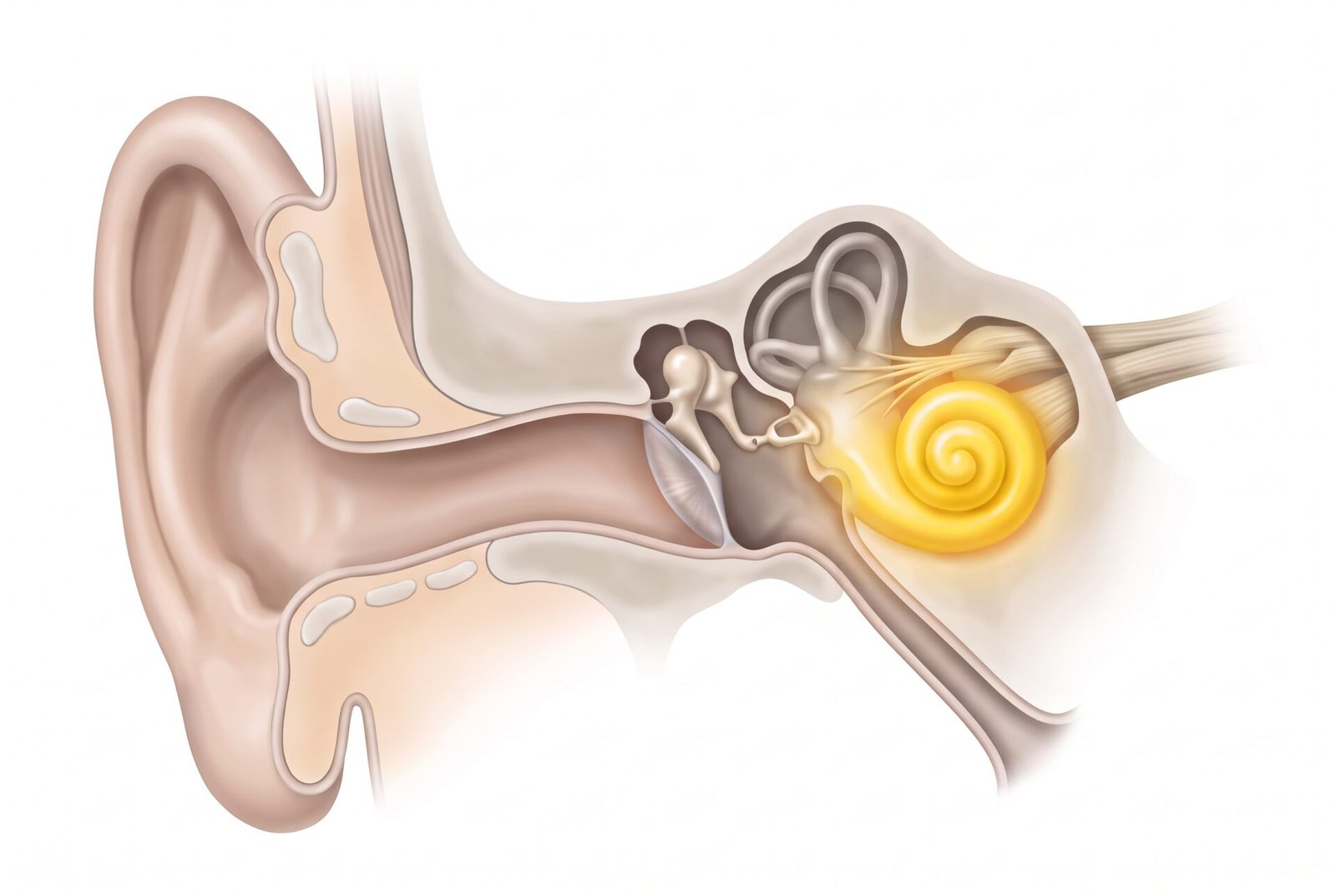
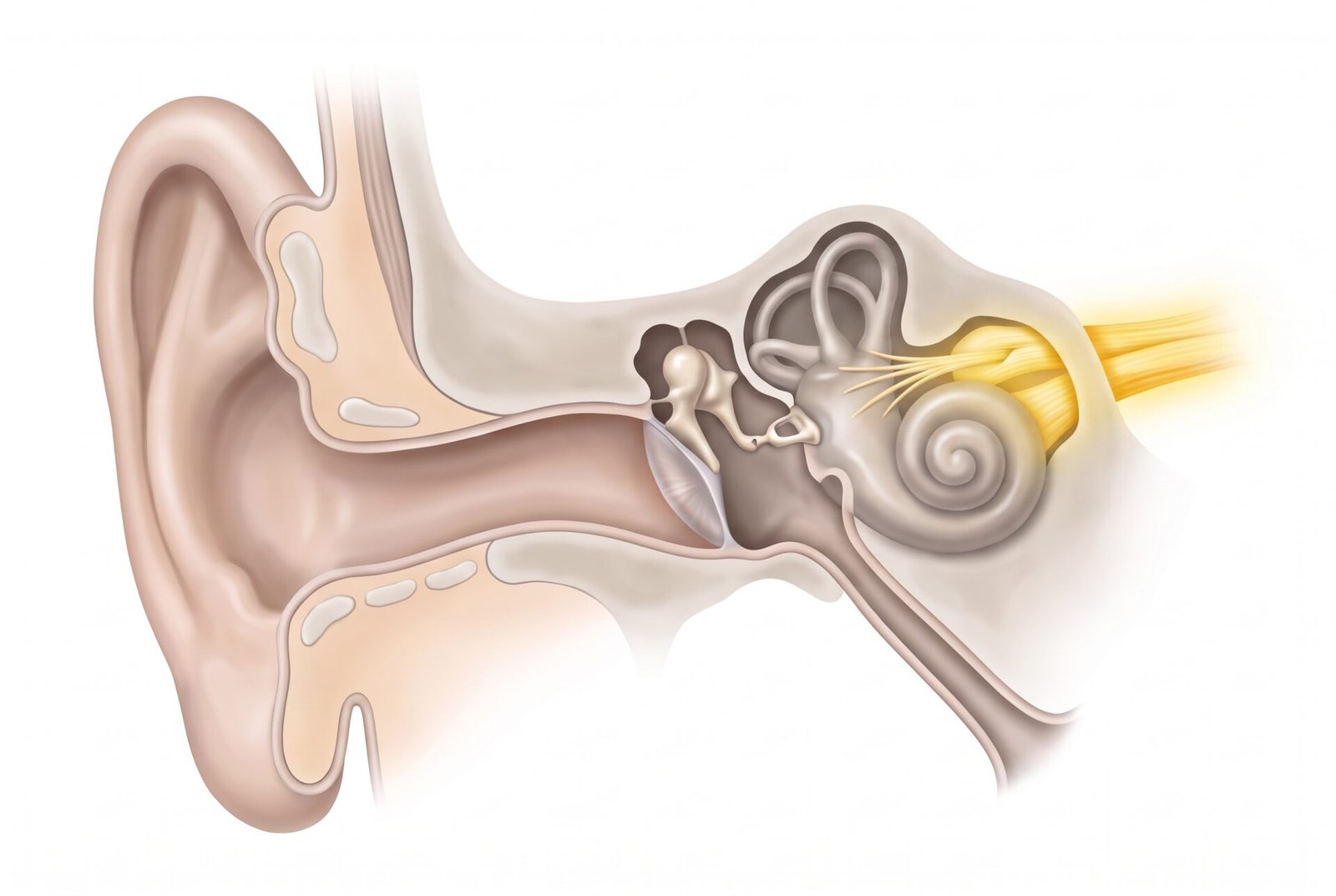
Sensorineural hearing loss happens when the hair cells in the cochlea are damaged or missing. It can run in families, or follow a head injury, exposure to loud noise or other causes in the environment. It is also a common part of ageing.
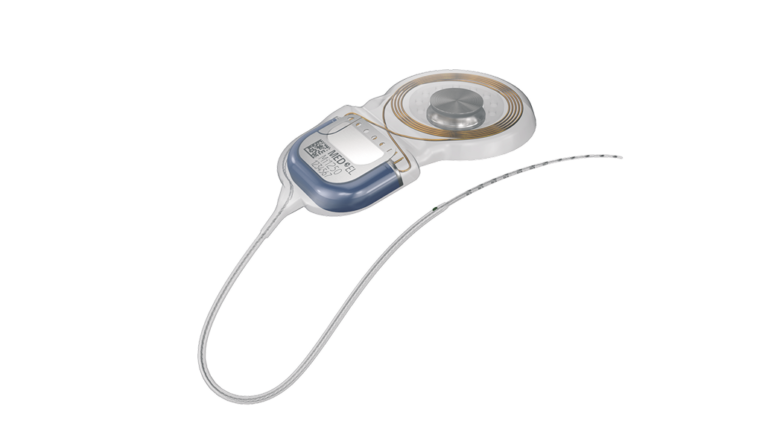
It is usually permanent, but it can be treated. The right option depends on how severe it is. Hearing aids are often the first step for mild to moderate loss. Starkey hearing aids
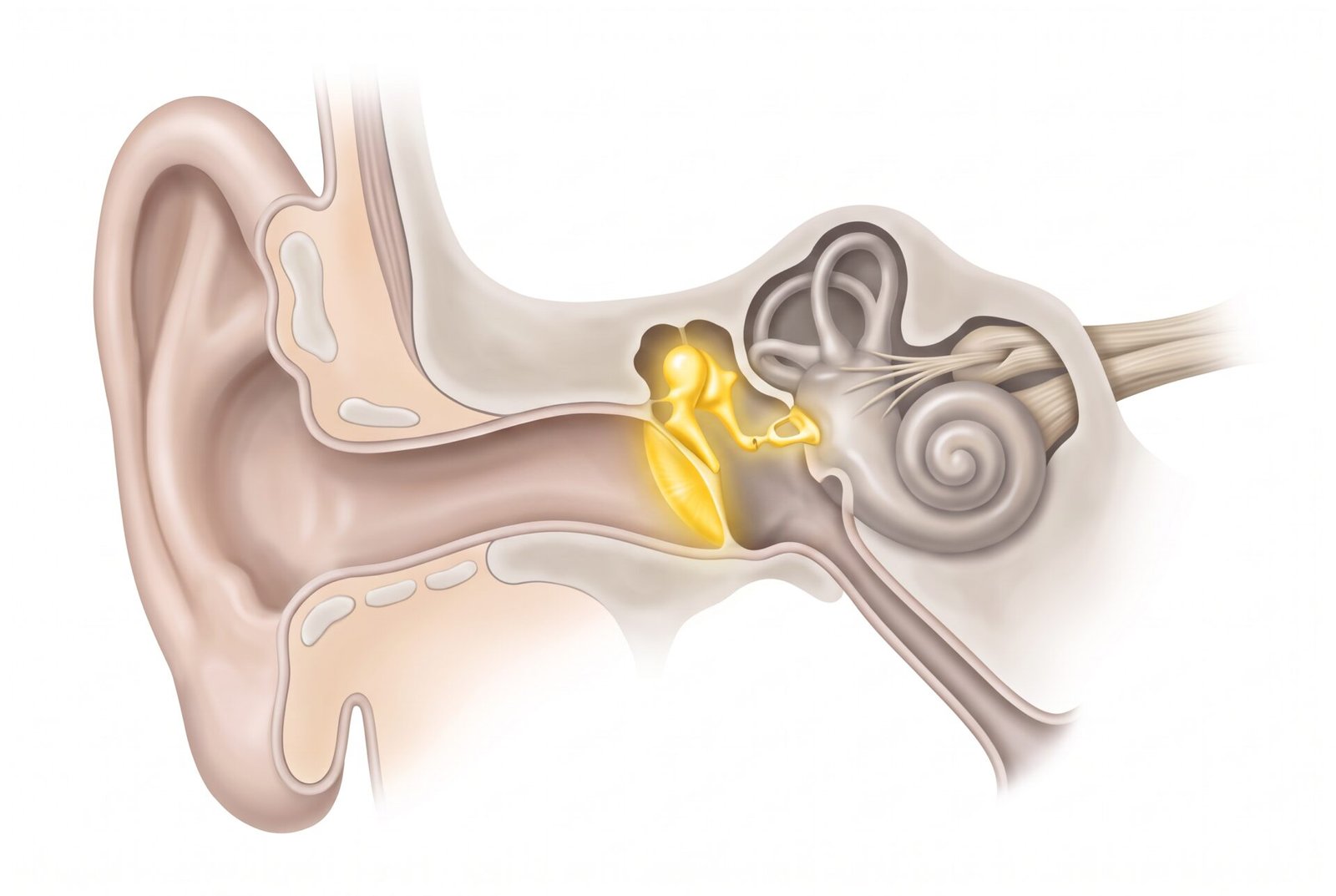
Conductive hearing loss happens when sound cannot reach the inner ear. The cause may be in the outer or middle ear: ear wax, fluid, an infection, damage to the middle ear or, more rarely, a growth. Some babies are born with conditions such as atresia or microtia that cause it.
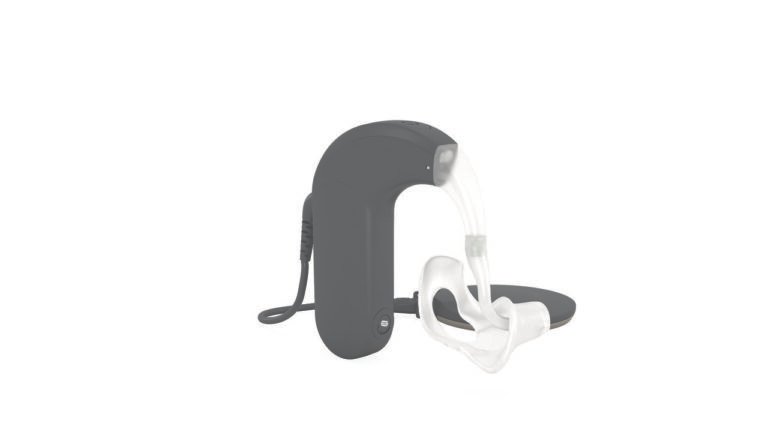
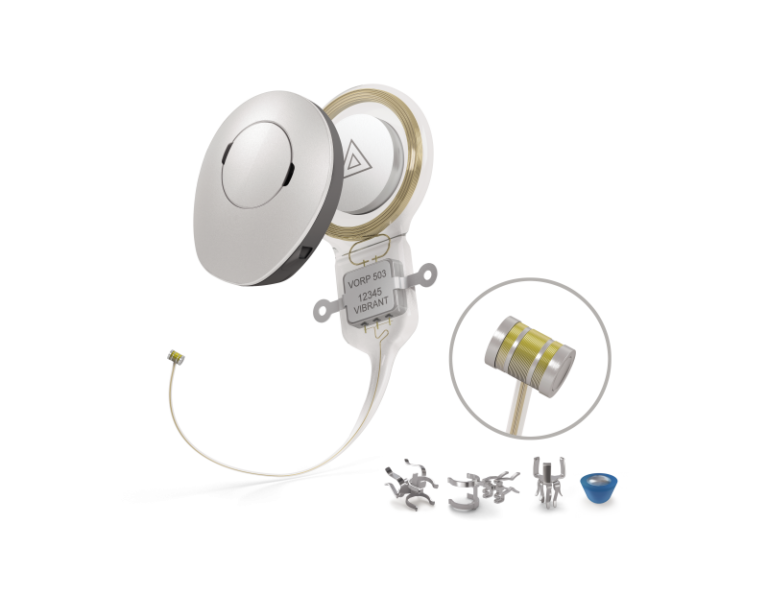
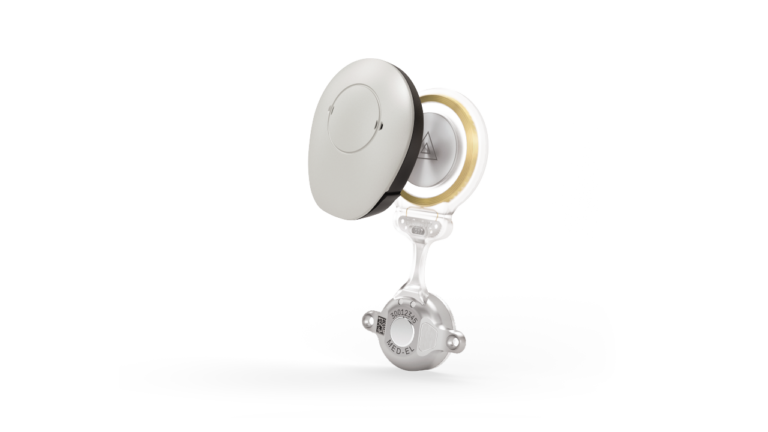
Some causes can be treated medically. Where they cannot, the options include middle ear implants, bone conduction implants and bone conduction devices that need no surgery.
Mixed hearing loss is a combination of sensorineural and conductive hearing loss. It comes from problems in the inner ear and in the outer or middle ear at the same time.
Options for mixed hearing loss include middle ear implants and bone conduction implants.
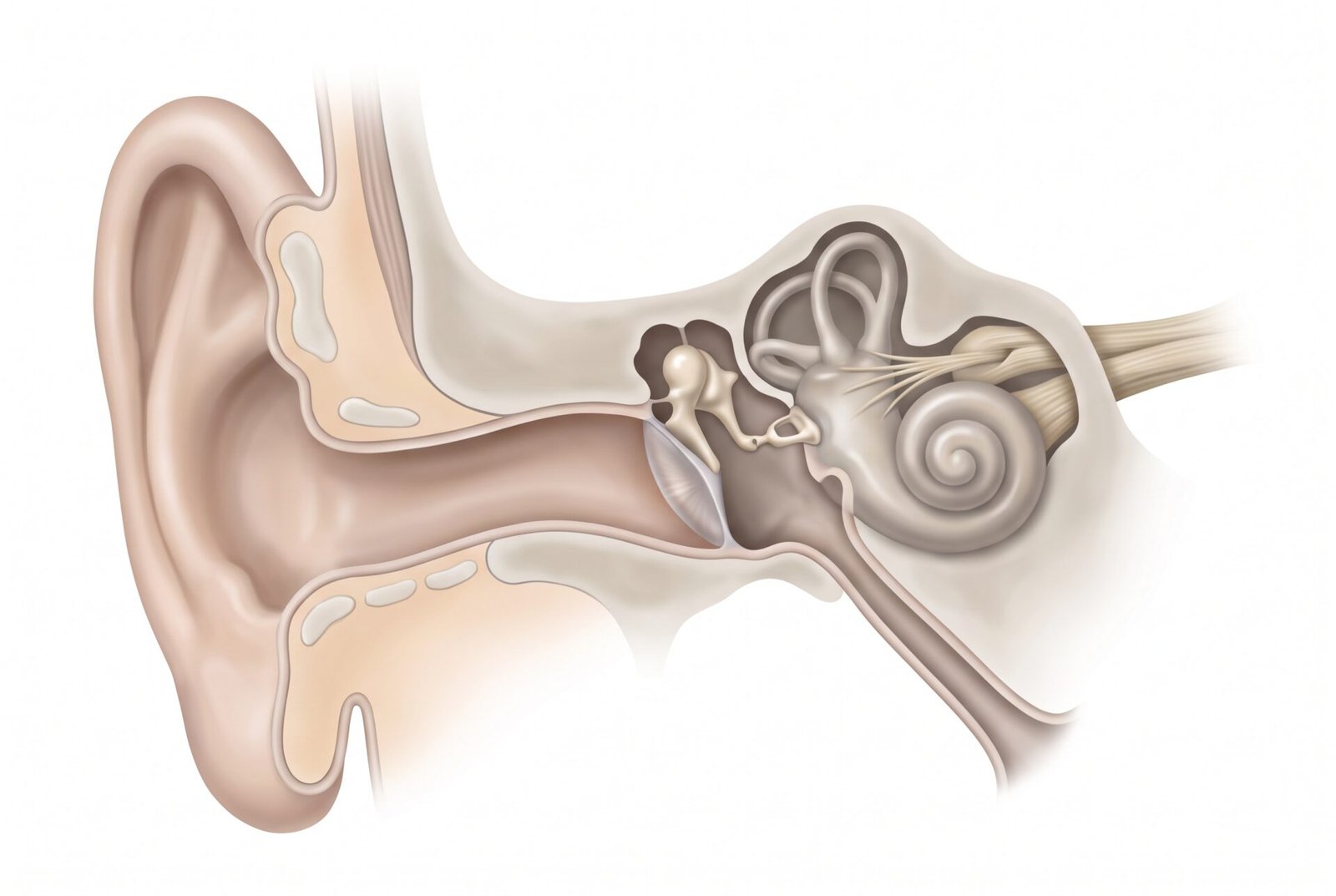
Neural hearing loss happens when the hearing nerve is damaged or missing. Hearing aids and cochlear implants cannot help, because the nerve is not able to pass sound information to the brain.
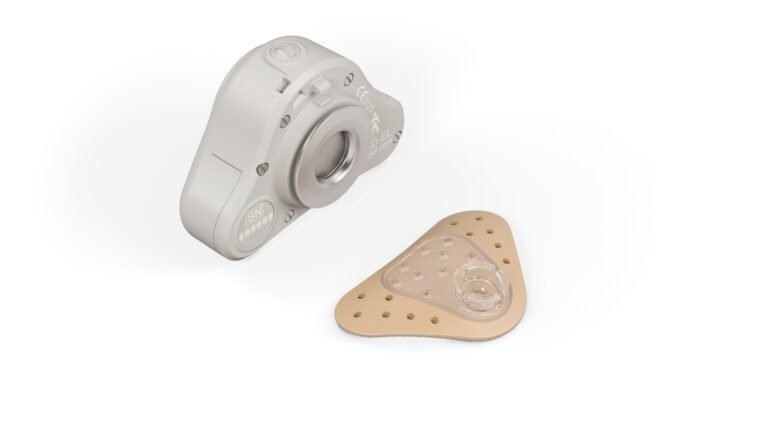
In many cases, an auditory brainstem implant (ABI) is an option. It is provided through specialist implant teams. Contact us and we will help you with the next steps.