
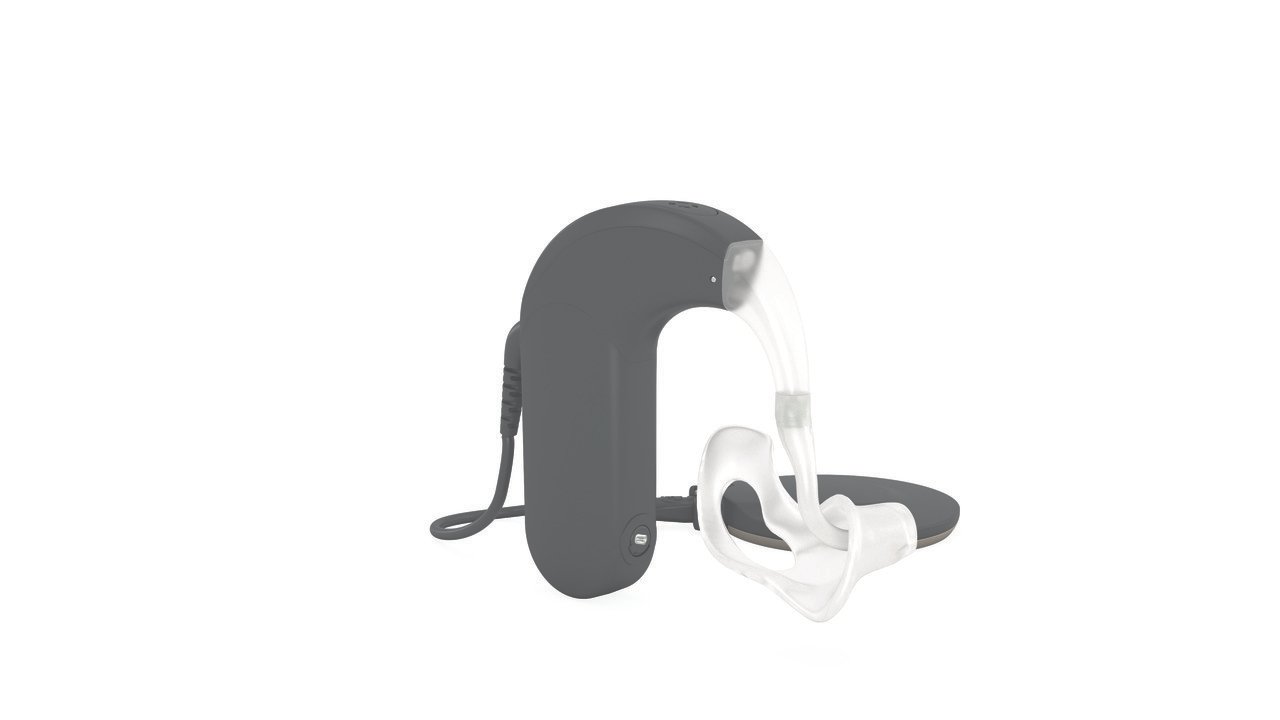
Electric Acoustic Stimulation (EAS)
MED-EL · Cochlear Implants

Electric Acoustic Stimulation (EAS)

Cochlear implant technology for high pitches and hearing aid technology for low pitches, combined in one system.

Key features

  • For high-frequency hearing loss with useful low-frequency hearing
  • Electrical stimulation for high pitches, acoustic amplification for low pitches
  • One audio processor sends sound to both the implant and an earmold
  • Flexible electrodes designed to preserve residual hearing
  • SONNET 3 EAS: smaller and lighter than SONNET 2 EAS, with integrated direct streaming

High-frequency hearing loss is common in both children and adults. People with it can often hear voices but find that others seem to mumble, and hearing aids alone may not be enough. Electric Acoustic Stimulation (EAS) combines two technologies to cover the full range of sound.

How it works

  • Low pitches: the processor’s microphones pick up sound, amplify the low pitches and deliver them through an earmold, using the hearing you still have.
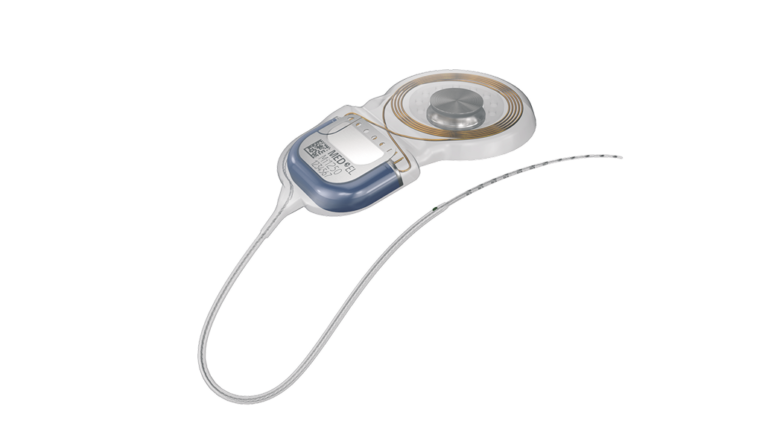
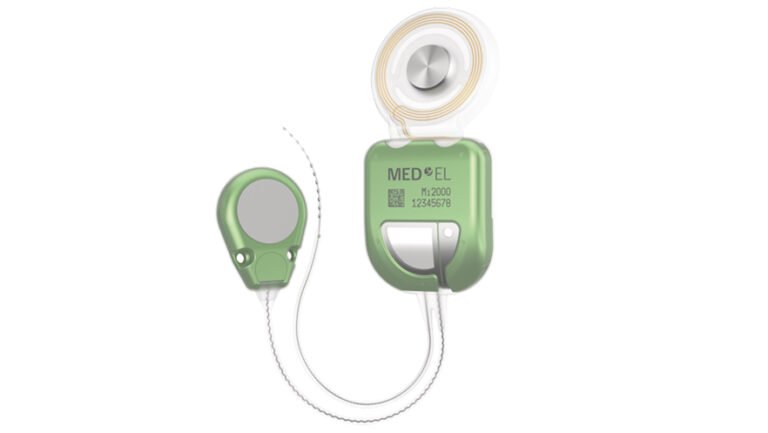
  • High pitches: the processor sends them to the cochlear implant as electrical signals, which stimulate the cochlea directly.

Protecting your natural hearing

The natural hearing that remains is called residual hearing. MED-EL uses very flexible electrode arrays designed to preserve it during implantation, so low pitches can still be heard naturally.

The system

An EAS system is made up of the SYNCHRONY 2 implant and an audio processor worn on the ear, such as SONNET 3 EAS. It is worn all day and taken off to sleep.
Specifications

Brand
MED-EL
Type
Hybrid cochlear implant and hearing aid system
Water resistance
SONNET 3 EAS: water resistant (IP54)
Connectivity
SONNET 3 EAS: integrated direct streaming
Suitable for
Children and adults with partial deafness: minimal-to-moderate low-frequency hearing loss sloping to profound high-frequency loss
Compatible with
SYNCHRONY 2 implant with a SONNET 3 EAS audio processor